
What to upgrade first for maximum value
Pinterest says you need a marble waterfall kitchen island. Your electrician says you absolutely need a total rewire. Welcome to the often overwhelming reality of renovating a home.
If you’re staring at a tired Victorian terrace or a newly purchased doer-upper flat and wondering where on earth to begin, you aren’t alone. Without a sensible plan, it’s incredibly easy to damage new finishes, blow your budget on the wrong things, and stretch your timeline by months. That is exactly why having a proper property refurbishment checklist is essential.
We’ve delivered full refurbishments across London, transforming run-down properties into stunning, highly functional spaces. Over the years, we’ve learned exactly how to sequence a project to protect your budget, minimise disruption, and boost your property’s market value.
Here is our experience-led guide on what to upgrade to increase property value, when to do it, and how to keep your sanity intact along the way.
House renovations the smart way
Start with a quick reality check (before you lift a paintbrush)
Before you start knocking down walls, you need a pre-checklist checklist. Defining your ultimate goal will dictate where you spend your money. Are you flipping the property to sell, preparing it for the rental market, or building your forever home?
Next, establish your budget and set aside a realistic contingency fund. Older London homes are notorious for hiding expensive surprises behind their plasterboard, so having a financial buffer is non-negotiable.
You should also carry out thorough investigations. Check for damp, assess the roof, and inspect the drainage and structural integrity. If you’re refurbishing a leasehold flat, you’ll need to review your lease for necessary consents and consider how your works will impact your neighbours. Finally, get your paperwork in order. Check if you need planning permission, building regulations approval, or a party wall agreement.
If you’d like an expert eye before you commit, our team at NOVA can survey your property and map out a practical plan from day one.
Our home improvements checklist (in the order we’d tackle it)
The secret to a successful full refurbishment in UK homes is sequencing. Here is the exact order of works we recommend to ensure you don’t end up tearing up your beautiful new floorboards to fix a leaky pipe.
1) Safety and compliance first (the unglamorous money-savers)
Nobody wants to spend thousands on a new consumer unit when they could buy a bespoke sofa, but safety always comes first. Tackle any necessary electrical rewiring, gas and heating safety checks, and basic plumbing repairs immediately. If you’re in a flat, pay special attention to fire safety regulations. Sorting these fundamentals early prevents future rework and instantly reassures future buyers or renters; trust us, it will save money in the long run.
2) Fix the building fabric (stop the ‘invisible’ problems)
Next, weatherproof the property. Address damp issues, fix roof leaks, clear gutters, and repair any damaged pointing. This is also the time to look at insulation, airtightness, and upgrading windows or doors. If you’re dealing with heritage constraints in a period London home, make sure you use sympathetic, breathable materials to keep the building healthy and compliant.
3) Structural changes and layout (do the messy work once)
Once the building is safe and dry, it’s time for the heavy lifting. This involves knocking through walls, installing steelwork, and altering the layout to improve flow and natural light. If you are considering house extensions or loft conversions, you need to make these decisions now, as they will dramatically impact the rest of the build.
4) First fix (the stage nobody Instagrams)
First fix is all about the hidden infrastructure. This includes routing the initial wiring for your electrics, laying the pipework for plumbing and heating, and installing essential ventilation for your bathrooms and kitchens. If you’re planning a smart home setup, get the cabling sorted during this messy phase.
5) Kitchens and bathrooms (biggest “wow” per square metre)
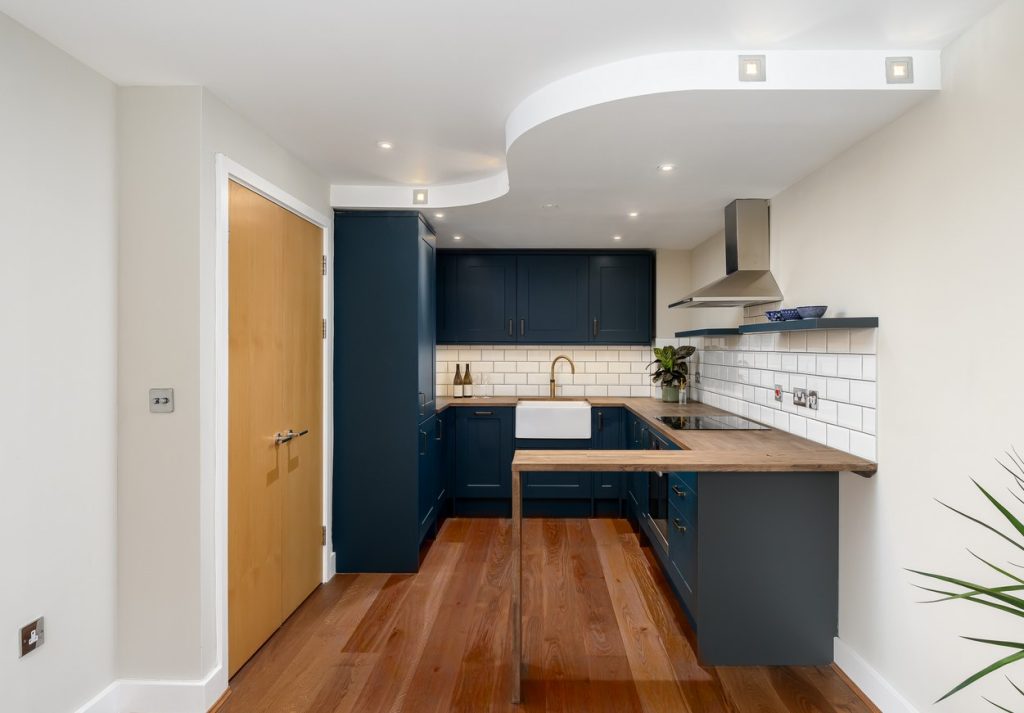
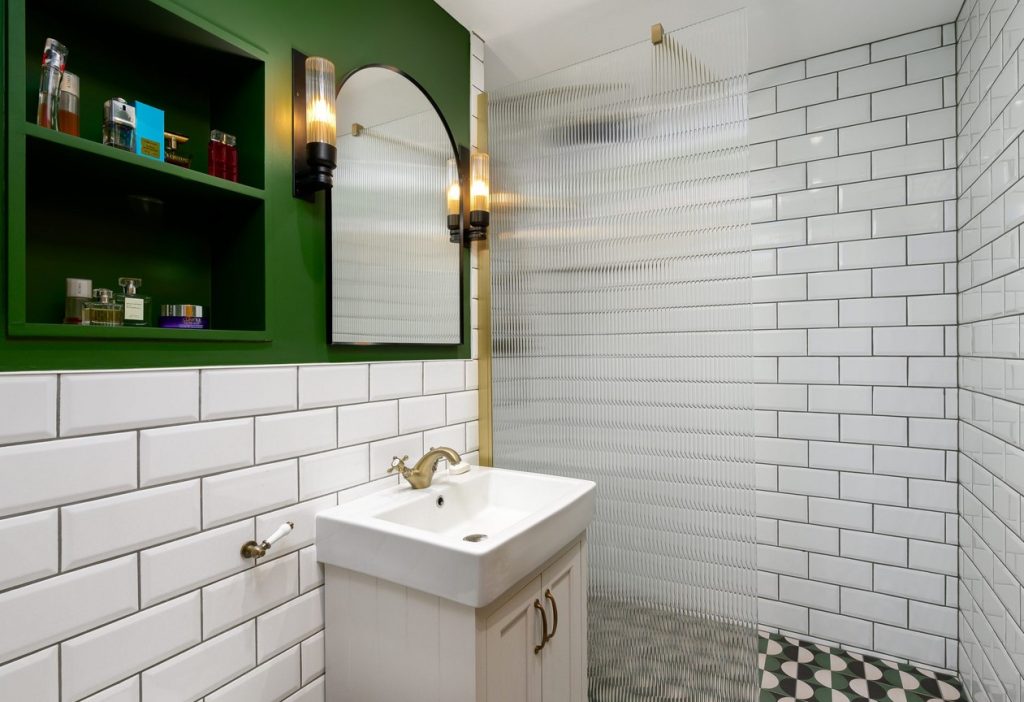
People often ask us which property improvements give the biggest returns. The reality is that kitchens and bathrooms sell homes, but only if the structural fundamentals are already sorted. Focus on timeless layouts, premium installation, and excellent lighting. We design and install bespoke kitchens and bathrooms that add serious value to your home, balancing everyday practicality with high-end aesthetics.
6) Energy efficiency, central heating and comfort upgrades
With the layout set, you can finalise your heating upgrades. Whether you’re installing a new boiler, preparing for a heat pump, or laying wet underfloor heating, do it before the final floors go down. Upgrading your radiators and adding smart thermostats will drastically improve the home’s energy efficiency.
7) Plastering, flooring and second fix (the ‘make it look finished’ phase)
Now your home will actually start to look like a home again. Walls are plastered, custom joinery is fitted, and doors and skirting boards are installed. The second fix for electrics and plumbing happens here, meaning sockets, switches, and taps are finally connected. Follow this with your flooring installation, taking care to protect it while the final trades finish up.
8) Decorating and final styling (kerb appeal, but inside too)
This is the fun part. If you’re selling, stick to neutral, broad-appeal paint choices to maximise value. Pay close attention to your lighting fixtures, as good, energy efficient lighting is a massive value lever. Add those final finishing touches—like premium door handles or luxury switches—that make the space feel expensive without breaking the bank.
9) External kerb appeal and outdoor space(don’t leave money on the driveway)
Don’t let a scruffy exterior ruin your hard work inside. Repaint the front door, tidy up the garden path, address basic landscaping, and install welcoming outdoor lighting. First impressions matter immensely to both buyers and your own daily enjoyment.
Which home renovation upgrades to do first (quick guide by scenario)
Not every project requires a top-to-bottom overhaul. If you’re wondering which property upgrades to do first, it largely depends on your end goal:
- If you’re selling soon: Prioritise safety, fix any damp or leaks, refresh the kitchen and bathroom, add a coat of neutral paint, and boost the kerb appeal.
- If you’ve got a rental: Focus on durability and low maintenance. Prioritise EPC-minded upgrades, robust flooring, and excellent ventilation to prevent condensation.
- If it’s a forever home: Invest heavily in layout changes. Make decisions about extensions and loft conversions early, and focus on long-term comfort and bespoke finishes.
- If it’s a period or listed property: Take a fabric-first approach. Use breathable materials and secure all necessary listed building consents early. We have extensive experience navigating heritage refurbishments safely and legally.
Common refurbishment mistakes we see (so you can avoid them)
We’ve seen it all. To keep your project running smoothly, try to avoid these classic pitfalls:
- Doing finishes before first fix: Painting a wall only to let an electrician chase a wire into it the next day is a painful waste of money.
- Underestimating programme time: Quality work takes time, and living in a property during a major refurb is incredibly stressful. Plan your living arrangements realistically.
- Picking materials before finalising the layout: Buying a beautiful freestanding bath is useless if it doesn’t actually fit through the bathroom door or align with the joists.
- Not budgeting for “surprises”: Older London properties always have secrets. Always hold back a contingency fund.
- Choosing the cheapest quote blindly: A quote that looks too good to be true usually is. Always check the scope of works to see what has been conveniently left out.
How we run a refurbishment at NOVA
At NOVA Design & Build London, our process is designed to take the stress out of property refurbishment London projects.
Our complete project management service starts with a detailed consultation, where we actively listen to your needs and goals. From there, we move into bespoke design and meticulous planning. During the execution phase, we rely on high-quality materials and exceptional craftsmanship to bring your vision to life. Finally, we hand over a space that exceeds your expectations, backed up by reliable aftercare.
Crucially, you’ll have a dedicated project manager keeping you informed every step of the way. We cover projects across London and the South East, delivering transparency and peace of mind from day one.
Frequently asked questions
How do I decide which property upgrades to do first?
Always start with safety and structural integrity. Fix leaks, damp, and dangerous electrics before spending money on cosmetics. After the building is sound, focus on layout changes, followed by kitchens, bathrooms, and finally, decoration.
Which property improvements give the biggest returns in the UK?
Generally, loft conversions, structural extensions, and high-quality kitchen and bathroom renovations offer the best return on investment. Upgrading a property’s energy efficiency (EPC rating) is also becoming increasingly valuable to UK buyers.
Do I need planning permission/building regulations approval for a full refurbishment in London?
Internal refurbishments usually don’t require planning permission unless the building is listed. However, if you are altering the exterior, building an extension, or changing the property’s use, you will likely need permission. You will also need to comply with Building Regulations for things like structural changes, electrics, and plumbing.
How long does a full refurbishment take in the UK?
It entirely depends on the scope of the works. A light cosmetic refurbishment might take 4 to 8 weeks, while a full back-to-brick renovation with structural changes can take anywhere from 3 to 6 months. We always provide a realistic, transparent timeline before we start.
Can you refurbish listed or heritage properties?
Yes. We have the expertise to handle period and listed properties across London, ensuring all works are compliant, sympathetic to the building’s history, and finished to an impeccable standard.
Will I have a dedicated project manager?
Absolutely. Every NOVA client is assigned a dedicated project manager to oversee the trades, manage the schedule, and keep you completely informed throughout the build.
Do you handle kitchens, bathrooms, loft conversions and extensions as part of one project?
We do. We offer an end-to-end service, meaning we can manage your entire property transformation under one roof, saving you the headache of juggling multiple contractors.
What areas do you cover?
We proudly provide our design and build services across London and the surrounding South East areas.
Ready to transform your property?
Taking on a refurbishment doesn’t have to be a nightmare of missed deadlines and spiralling costs. With the right team by your side, it can be an incredibly exciting and rewarding process.
If you’re planning a renovation project of your living space and want to ensure you’re making the smartest choices for your budget and timeline, we’d love to hear from you.
Get in touch with our team today to book your free survey and consultation. Let’s sit down, discuss your priorities, and map out a clear plan to unlock your property’s true potential.