
Living in the capital often means making a difficult choice: love your location but loathe your lack of square footage, or move further out to the suburbs. But what if you could have your cake and eat it too (in a brand-new, spacious kitchen-diner)? Expanding your current home is often the smartest move.
At NOVA Design & Build, we specialise in turning cramped London properties into spacious, bespoke sanctuaries. Of course, embarking on a house extension London project can feel a bit like navigating the Tube at rush hour—chaotic and overwhelming. That is why we have put together this guide to clarify the costs, timelines, and regulations involved, helping you navigate the process without pulling your hair out.
Understanding London home extensions
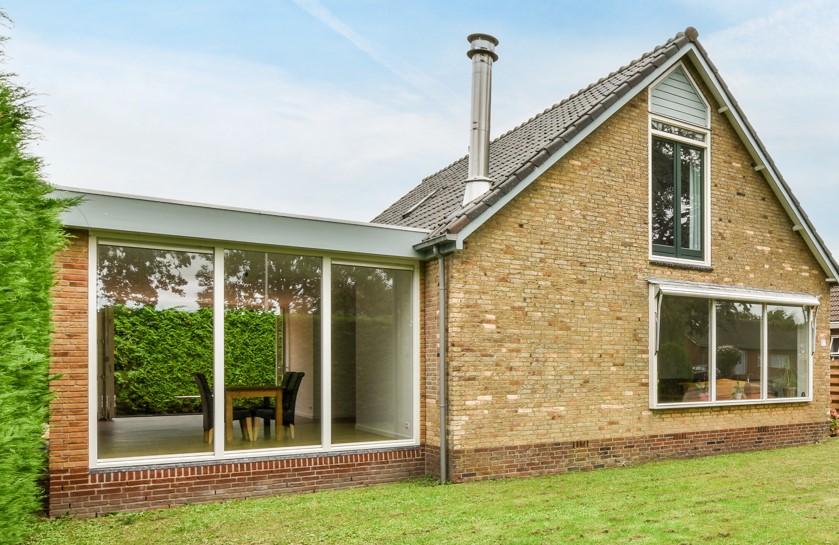
Before you start picking out Farrow & Ball paint charts, you need to decide what kind of space you are actually building. In London, the most common projects are rear extensions (pushing out into the garden) and side return extensions (claiming that often-useless alleyway on Victorian terraces).
Different property types—such as a detached house, semi detached house, or terraced house—each present unique opportunities and challenges for London house extensions, with factors like space, access, and planning restrictions varying significantly.
You also need to know where you stand legally. Some projects fall under “Permitted Development,” which is the golden ticket of renovations, meaning you might not need full planning approval. However, certain types of projects, such as a kitchen extension or extensions to a semi detached house or terraced house, may require householder planning permission and prior approval from the local planning authority. If you live in a conservation area or a flat, the rules for extension planning permission in the UK get stricter.
Our team at NOVA Design & Build are experts at decoding these regulations, ensuring you don’t accidentally breach a centuries-old bylaw. These rules apply to any home improvement project in London.
Types of house extensions in London
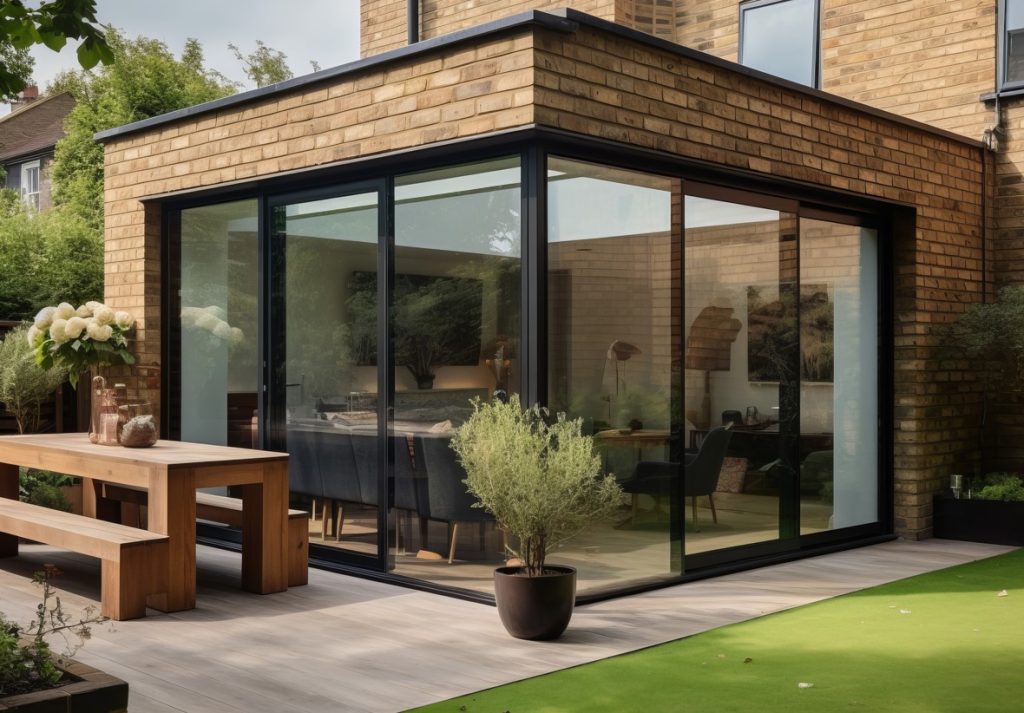
When it comes to house extensions in London, homeowners are spoiled for choice. The most popular option is the rear extension, which pushes out into the garden to create valuable extra living space—perfect for a light-filled kitchen-diner or a spacious family room. If you’re looking to make the most of a narrow plot, side extensions are a clever way to transform that underused alleyway into a larger kitchen, dining area, or even an additional bedroom.
For those who need more space but can’t extend outwards, two storey extensions are a smart solution. By building upwards, you can double your gain—think a new bedroom above and a bigger living area below—without sacrificing precious outdoor space. Basement extensions are another option, especially in prime London postcodes where every square metre counts. These can be transformed into luxurious home cinemas, gyms, or even self-contained flats.
Each type of extension comes with its own set of considerations, from construction cost to planning regulations. The key is to choose the style that best fits your lifestyle, property type, and budget, ensuring your extension project delivers the more space you need while enhancing your home’s value and functionality.
Design and planning your extension
Designing your house extension is where your vision starts to take shape. Collaborating with an experienced architect or designer is essential—they’ll help you create a space that not only meets your needs but also complies with permitted development rules and local planning permission requirements. Thoughtful design goes beyond aesthetics: consider how to maximise natural light, improve ventilation, and boost insulation to create a comfortable, energy efficient living space.
It’s also important to ensure your new extension blends seamlessly with your existing house. Choosing materials and finishes that complement your original house will help your extension feel like a natural part of your home, rather than an afterthought. Don’t forget to factor in the character of your neighbourhood, especially if you’re in a conservation area or a street of period properties.
Early planning is crucial. Understanding whether your project falls under permitted development or will require planning permission can save you time and hassle down the line. By investing in precise plans and professional advice from the outset, you’ll set your extension project up for success—both in terms of design and compliance.
House extension costs in London
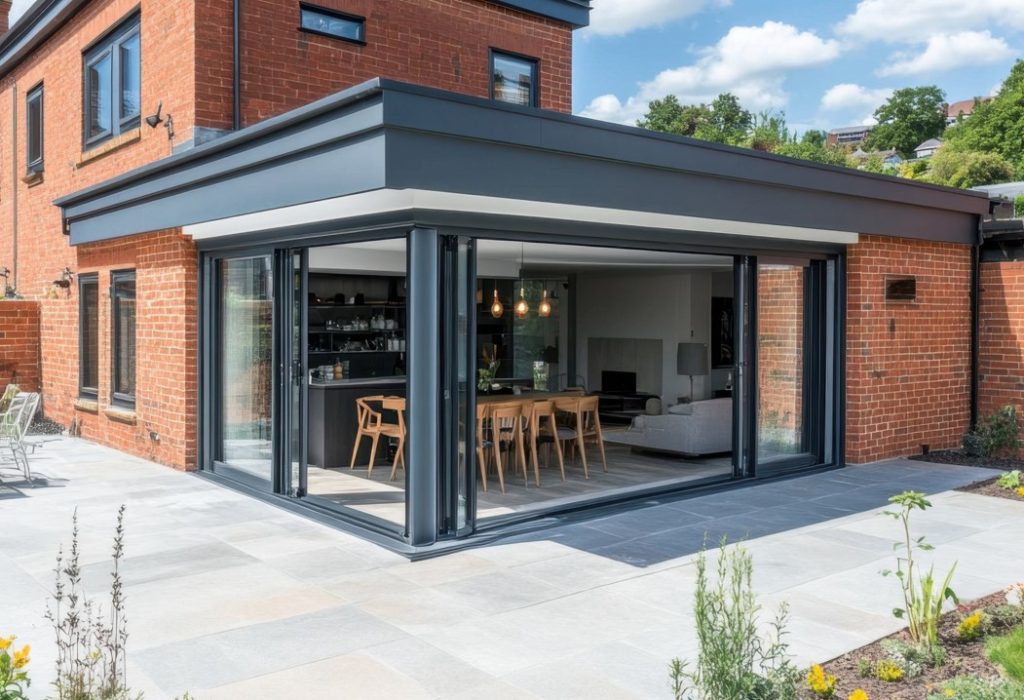
Let’s address the elephant in the room: the budget. The building cost of an extension can vary significantly depending on the type of extension you choose; for example, a basement extension is typically more expensive due to construction complexity and safety considerations. Generally, you should budget between £1,800 and £3,000+ per square metre for the build itself.
Factors that will bump up your extension cost London quote include:
- High-end materials: Marble worktops cost more than laminate.
- Glazing: Those stunning bi-fold doors and skylights are an investment.
- Structural complexity: Removing load-bearing walls requires serious engineering.
- Listed building status: Extensions to listed buildings or those in conservation areas require specialised consultation and compliance, which can increase costs.
- Upgrading the heating system or central heating system: Enlarging your property may require modifications or upgrades to your heating system to adequately heat the new space, which can increase costs.
Don’t forget to include professional fees and the cost of hiring a project manager or acting as your own project manager in your overall budget, as these are separate from construction costs and VAT.
At NOVA Design & Build, we believe in transparency. We provide detailed breakdowns so you know exactly where your money is going—into your home, not into a black hole. Our professional services can help you manage building cost and avoid unexpected increases throughout your project.
Timeline for a London house extension
Patience is a virtue, but nobody wants to live in a building site forever. While every project is unique, a typical timeline looks a bit like this:
- Design and planning (3-4 months): This covers surveys, architectural drawings, and getting approval from the council.
- The build (3-6 months): This is where the magic (and the dust) happens.
- The finish (1-2 months): Installing kitchens, flooring, and decorating.
Efficient project management is our bread and butter. We keep tight schedules to ensure you are enjoying your new space as quickly as possible, minimising disruption to your daily life.
Navigating London planning regulations and building regulations
London boroughs can be notoriously tricky. What flies in Hackney might get rejected in Kensington & Chelsea. Understanding the nuances of local council rules is vital to avoiding costly delays.
You might also face the “Right to Light” rule, which stops you from blocking a neighbour’s sunlight, or need a Party Wall Agreement if you are digging near a shared boundary. We assist with all planning applications and party wall matters, handling the bureaucracy so you don’t have to.
Working with contractors and suppliers
The success of your house extension project hinges on the team you choose to bring it to life. Selecting reliable contractors and suppliers is just as important as the design itself. Start by researching local professionals with a strong track record in extensions in London—look for experience, positive reviews, and transparent pricing.
A reputable contractor will provide a detailed quote, realistic timeline, and clear guidance on building regulations and any permissions required for your extension project. They’ll also have established relationships with trusted suppliers, helping you source quality materials and fixtures that fit your budget and style.
Communication is key throughout the extension project. Make sure you have a clear agreement on the project scope, timeline, and payment schedule before work begins. Regular check-ins and updates will help keep your extension on track and avoid costly misunderstandings or delays. By assembling the right team, you’ll ensure your extension is built to the highest standards—on time and on budget.
Maximising your extension’s value
An extension isn’t just about extra floor space; it is about adding value to your asset. A well-executed extension can boost your property value by up to 20%, provided the design is top-tier.
Focus on functionality and flow. Open-plan layouts are perennial winners, as are designs that flood the home with natural light. Our design expertise ensures that your new addition feels like an organic part of the house, rather than a bolt-on box.
Energy efficiency and sustainability in your extension
Incorporating energy efficiency and sustainability into your house extension isn’t just good for the planet—it’s a smart investment in your home’s future. Features like solar panels, high-performance insulation, and double glazing can significantly reduce your energy bills while creating a more comfortable living space. Maximising natural light through clever window placement and skylights not only saves on electricity but also makes your extension feel bright and welcoming.
Choosing sustainable materials and designing for optimal ventilation will further enhance your extension’s energy efficient credentials. Many London councils now offer incentives or grants for eco-friendly home improvement projects, making it even more worthwhile to prioritise green features.
By focusing on sustainability from the outset, you’ll create a living space that’s healthier, more cost-effective, and better for the environment—while also boosting your property’s value and appeal to future buyers.
Common extension mistakes to avoid
We have seen plenty of DIY disasters and project management mishaps over the years. Here are a few pitfalls to dodge:
- ignoring the budget: Always have a contingency fund for the unexpected.
- Poor spatial planning: A big room with a bad layout is still a bad room.
- Choosing the cheapest builder: Cheap labour often costs twice as much in repairs later.
By partnering with a premium firm like NOVA Design & Build, you sidestep these errors. We plan meticulously to keep your project on track and on budget.
Frequently asked questions
Do I always need planning permission?
Not always. Many standard extensions fall under Permitted Development rights. However, we always recommend applying for a Lawful Development Certificate to prove your build is legal—handy if you ever sell.
How do I approach my neighbours?
Communication is key. If you are building on or near the boundary, you will likely need a Party Wall Agreement. We can guide you through this process to keep relations friendly.
Can I live in the house during the build?
It depends on the scale of the work. for a simple rear extension, yes, though it might be dusty. For a full refurbishment, moving out temporarily is usually less stressful.
Ready to transform your home?
Planning a house extension London project doesn’t have to be a headache. With the right team, it can actually be an exciting journey toward your dream home.
If you are ready to stop dreaming and start building, we are here to help. Contact NOVA Design & Build today to book your free survey and discuss how we can bring your vision to life.