
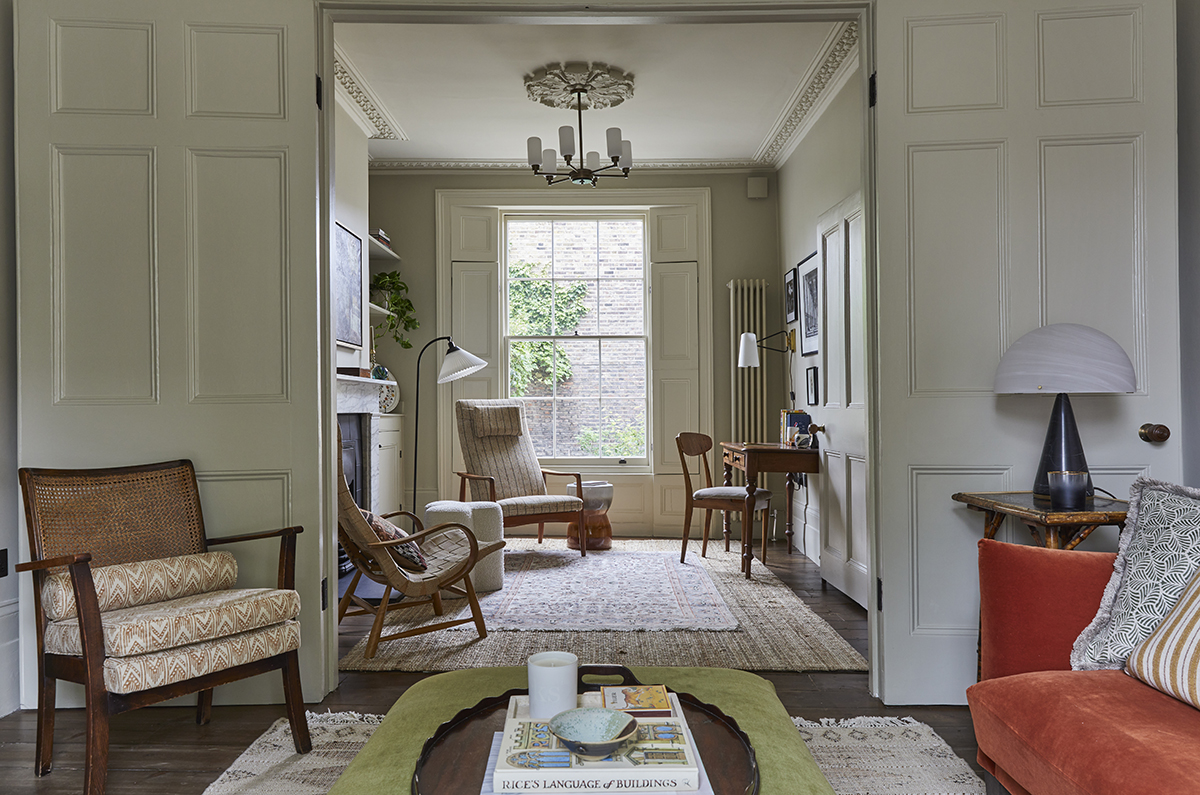
London is known for its variety of architectural styles from different eras. Now we have a bunch of new builds, old standard homes, and large amounts of conversions due to the dense population that London has. But one stands out in particular, which is Victorian-style houses. They are still very much desired even though they present some challenges when it comes to refurbishment. They are wanted for their large rooms, high ceilings, beautiful external detailing and character, which provides an aristocratic feel.
In this article, we are going to discuss the potential costs of a Victorian house refurbishment in London and what are the typical challenges this venture presents when executing a successful refurbishment.
If you’re a Victorian house owner, the first question that may come to mind is what the potential costs are for a successful refurbishment. As in all things, it depends on the scale of the refurbishment as well as the depth required. If you are only looking for a basic upgrade, like painting and decorating or some change in plasterboards, detailing or restoration, it may start at around £700 to £1,200 per square metre. Once we dive into the more comprehensive work that involves extensions, structural alterations and top-tier quality finishing, pricing increases substantially and may cost in the range of £1,700 to £3,000+ per square metre.
Preserving the Characteristics
In a lot of cases, preserving the character of a Victorian home becomes a great part of the refurbishment, and it requires either restoration or results in additional work in either case. Owners tend to keep the unique features like decorative moulds, woodwork, and fireplaces, which are kept and combined with modern interior trends, resulting into modernly aesthetic but periodically preserved refurbishment.
Preservation could pose its challenges if the property were neglected for many years. This could make things more expensive or impossible to restore, so it’s worth consulting and understanding whether preservation is feasible in the first place.
To achieve this, you must plan with scrutiny and consult the right specialists with experience dealing with Victorian properties to get the desired result, avoid mistakes, and preserve uniqueness and value.
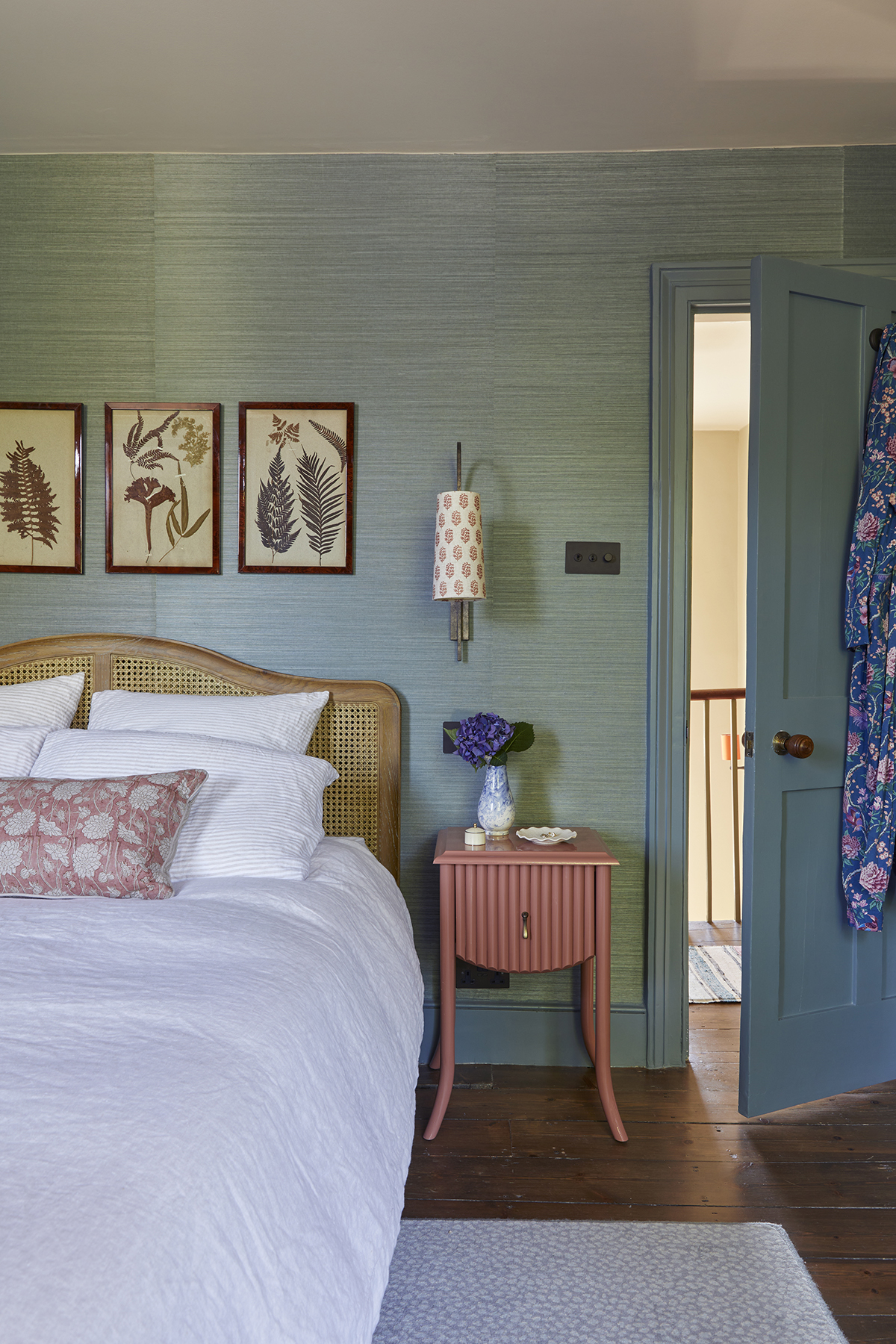
Planning for a Modern Lifestyle
Homeowners need to plan to achieve the desired functionality of the property, but firstly understand what they want out of their refurbishment.
Despite having spacious rooms, Victorian houses were designed according to another set of needs. The current refurbishment trends have seen properties being remodelled, extensions being erected every day, and Victorian houses are no exception. An extension for a Victorian house could be anywhere from £60,000 to £150,000 and beyond.
Homeowners desire more open-plan spaces, like merging the kitchen with the living room, and connections to the garden. Rear extensions and other alterations may improve the comfort, living and functionality of the property while still preserving the historical identity of the building.
Interior Design for a Victorian
Victorian home interior design tends to differ from a typical refurbishment, as most owners are looking for a balanced solution of a mix of partially maintaining the Victorian features and a contemporary finish. People want to not only preserve a building’s identity but also the interior character that Victorian homes have.
Natural materials are great for blending the Victorian and contemporary styles together, creating a seamless transition everywhere in the house, whether it’s the kitchens, bathrooms or rooms themselves.
If you are looking to refurbish a Victorian house, discuss with your hired contractor materials like limestone, brushed brass and engineered wood flooring and other timeless materials. These will help to create harmony when executed proportionately.
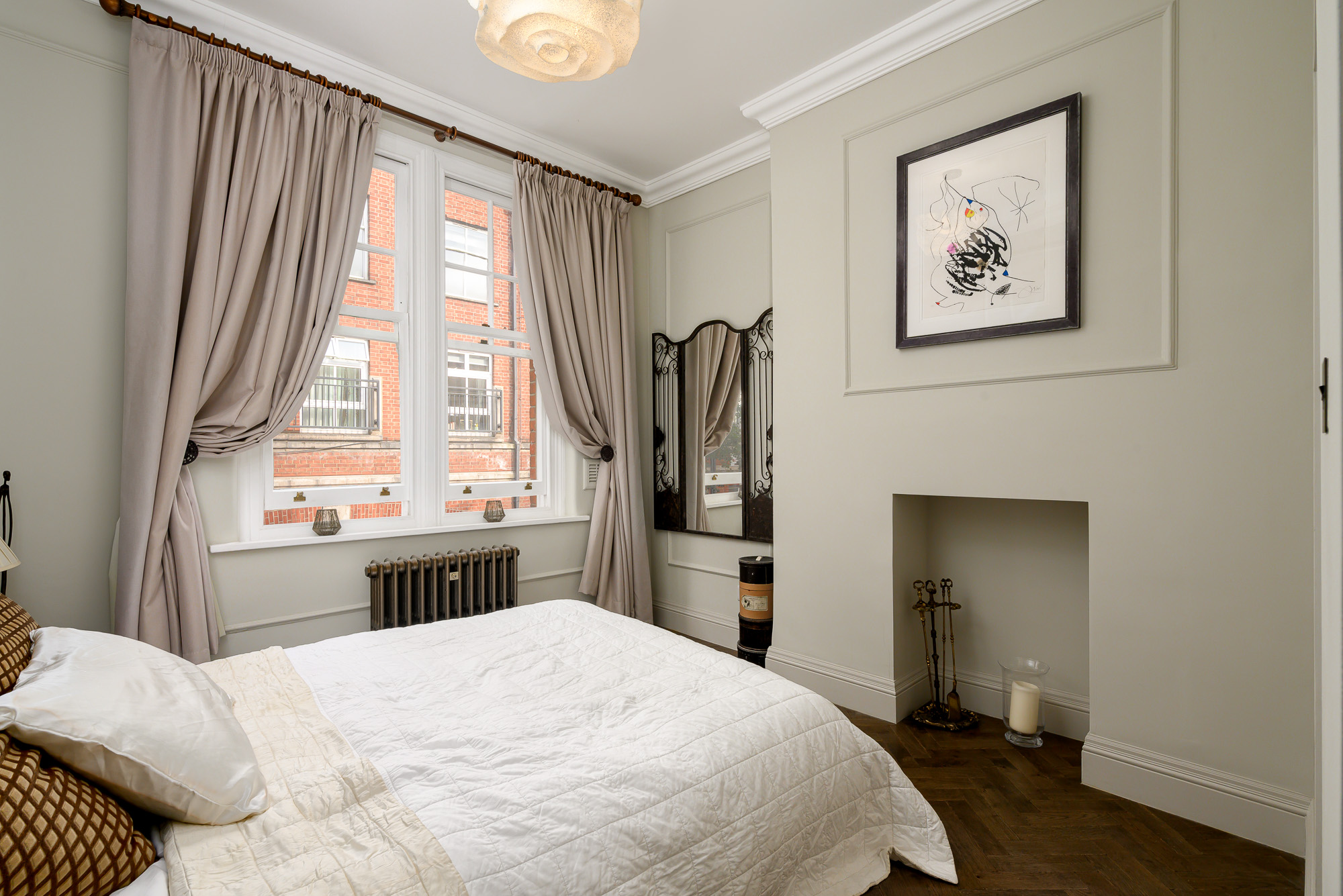
Window Replacement and Regulations
Windows are one of the crucial aspects when dealing with a Victorian home, but it has its challenges. Firstly, if you are looking to replace windows in a Victorian property, you are very likely to run into regulations that will require extra effort to get things done.
If the property is located in a conservation area, the exterior character should always be preserved.
If a Victorian home is a Grade I or II listed building, consent is mandatory. Changing windows without consent for these grades would be a criminal offence. Some conservation areas are not that strict but may still require
Windows are one of the crucial decisions of any Victorian refurbishment
Period timber sash windows are a significant factor in determining the look of a property, especially if it is located in a conservation area where exterior character should be preserved. Changing windows without consent for these grades would be a criminal offence. Some conservation areas are not that strict, but may still require planning permission. For example, if your council has issued an Article 4 Direction, you will need those permissions to change from timber to UPVC, etc.
You need to hire a FENSA-registered installer like Citi Homes Windows, as they will self-certify that the windows are meeting the Building Regulations and log it with the council. Timber windows are the gold standard for authenticity when it comes to those listed buildings, and almost every time it will be sash windows if they had them originally. When the buildings are not listed, you can go for aluminium windows, which are a better quality option compared to UPVC.
Worth keeping in mind
It’s always worth allocating 10-15% of the total refurbishment amount because, especially with Victorian houses, when doing a full refurbishment, you might run into unpleasant surprises. You might get unforeseen complications in the walls, under the floor or in the structure of the building due to the age of the property.
Therefore its always a good idea to have a professional survey done and plan to minimise the risk of unexpected expenses.